Gameplay
Build a Repeatable Profit Routine for Your Shop
Use this TCG Card Shop Simulator best way to make money guide to protect restocking cash, cover shop costs and choose when to sell, open or expand.
Updated
- Guides
- 39
- Topics
- 3
- On this page
- 6
Keep retail stock moving and reserve the next order
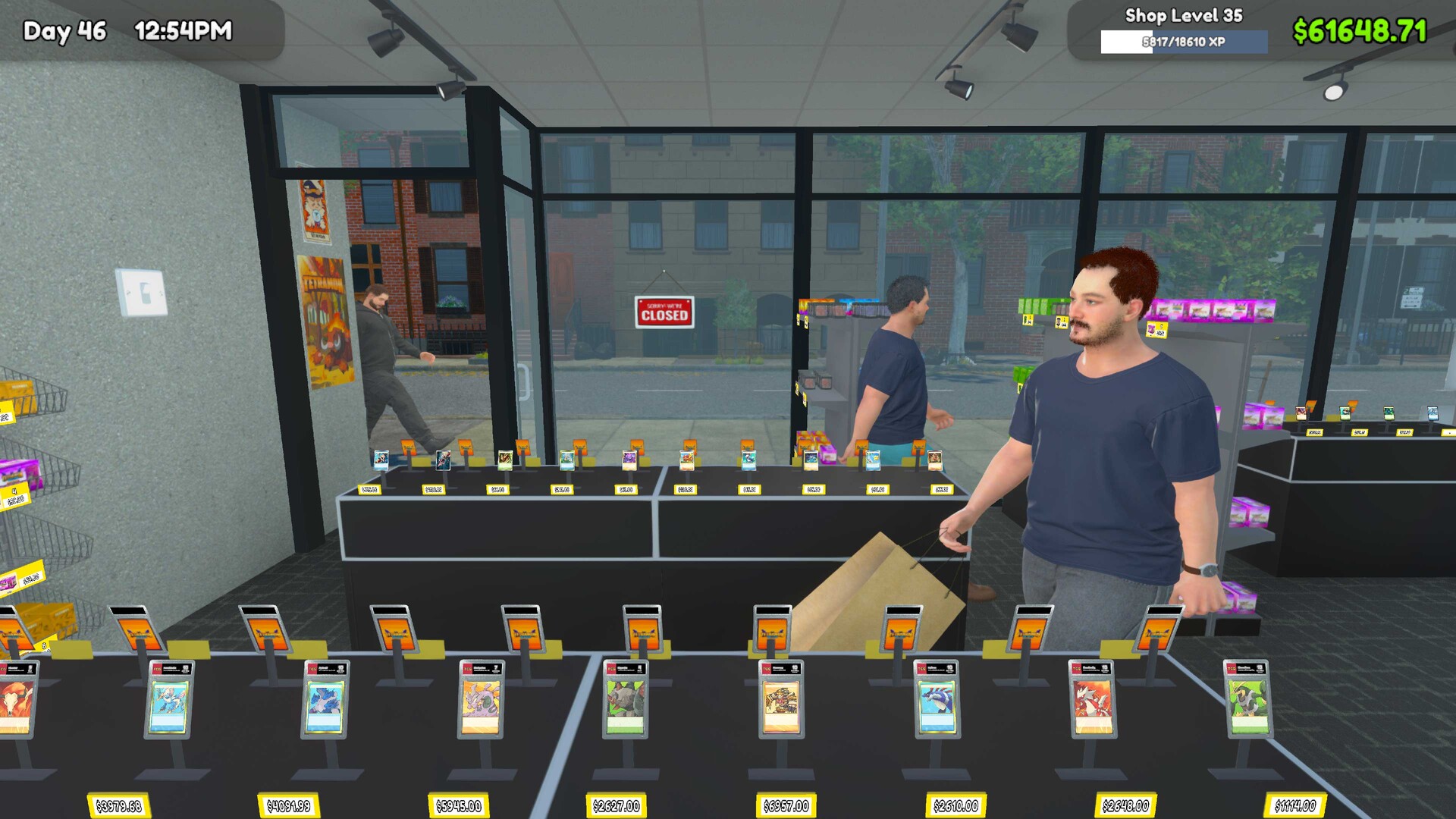
Build dependable income by selling regularly stocked booster packs and boxes, then add single-card sales and play-table fees when your shop can support them. Reserve replacement stock and operating expenses before spending on pack opening, expansion or extra employees, and treat rare-card windfalls separately from your normal income.
Choose income that fits your shop's progression
Early on, regularly replenished booster packs and boxes on accessible retail shelves are the dependable starting loop. Keep the shopping route easy to use so customers can reach the stock you are selling. Adjust your inventory to customer demand instead of tying up your buying budget in products you have no reason to prioritize.
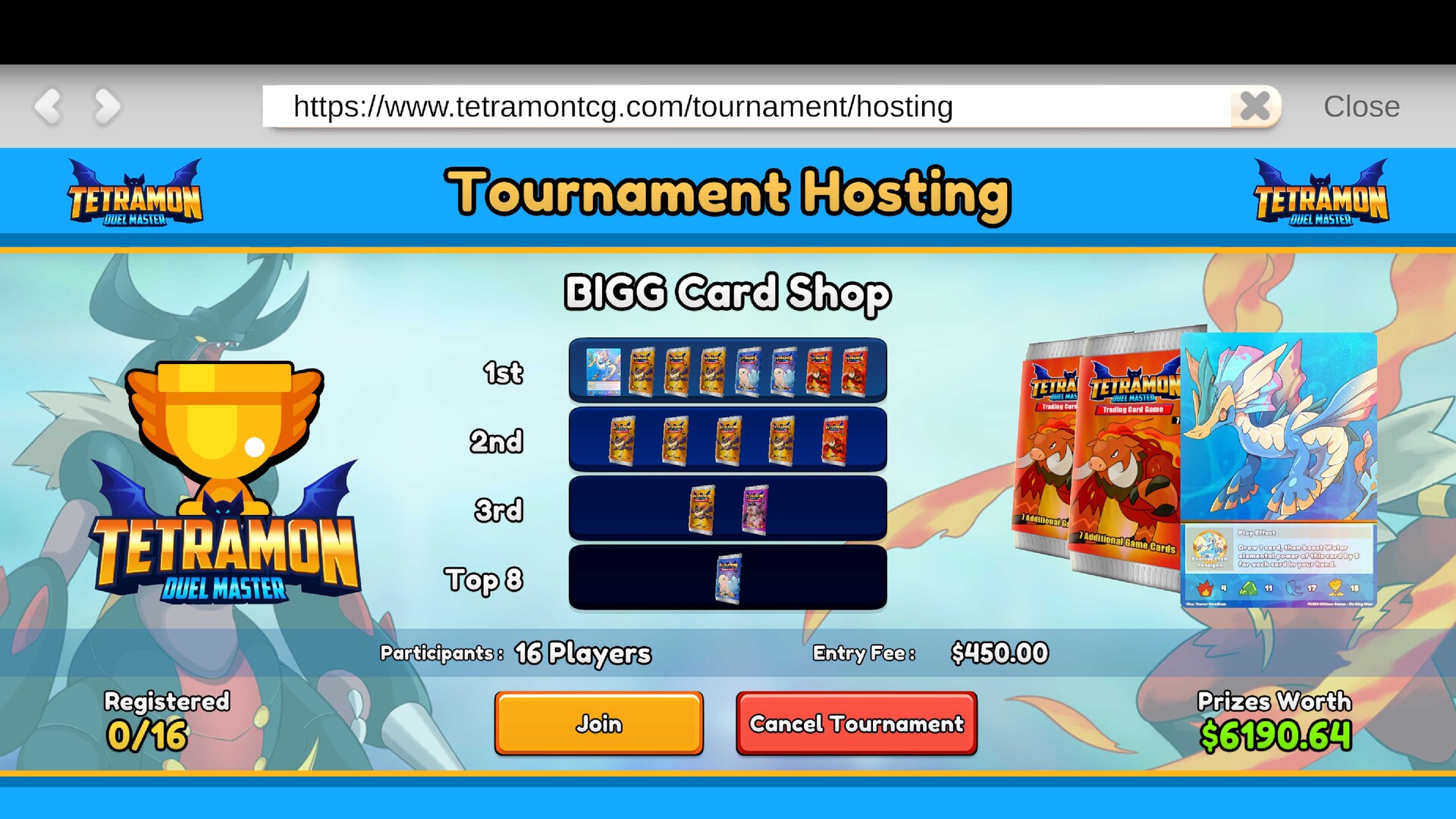
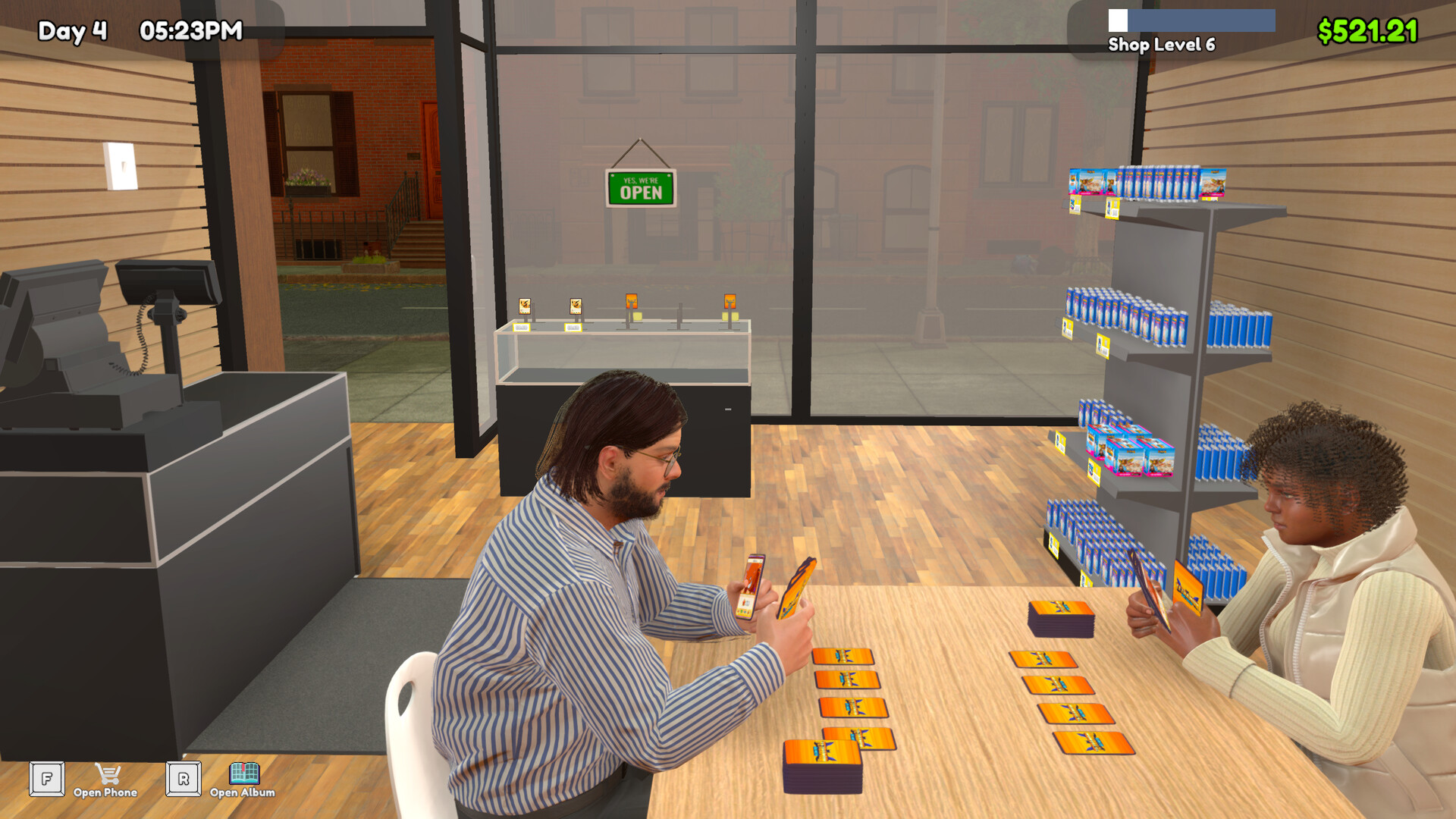
As the shop develops, saleable singles through Card Tables and repeat play-table session fees can supplement retail sales. Use table income where customer traffic supports it, and include event expenses in your spending decisions. Keep the shop clean, since players may leave an unhygienic store.
Later, workers can help keep shelves supplied, while selected graded or traded cards offer additional sales opportunities. Changing card prices also become part of deciding what to sell. Add these activities around a retail business that can already cover its stock, rather than expecting an expensive pull to fund routine replenishment.
Separate sales income from money you can spend
Sales receipts need to cover replacement inventory and the expenses of running the shop. Deduct those commitments before deciding what is available for another order or an upgrade. Include delivery charges when judging whether your next restock is affordable.
| Expense | What to include in your budget |
|---|---|
| Replacement inventory | The products needed to replenish saleable stock. |
| PC Stock Order shipping | $2 per shipping box, with a $5 minimum per transaction, added to product costs. |
| Employee payroll | Wages before deciding what remains for another order. |
| Rent and electricity | Operating bills alongside your stock purchases. |
| Play events | Any daily event expenses when assessing table income. |
| Card grading | Grading expenses before treating a card sale as extra spending money. |
| Second checkout counter | An additional $4 daily charge. |
| Additional shop space | Additional ongoing costs after expansion. |
For PC Stock Order purchases, the shipping minimum applies per transaction. Compare the delivery bill before splitting planned restocking into separate purchases. Keep that charge visible alongside the products so you do not mistake an affordable product subtotal for the complete order cost.
Follow a repeatable cash routine
- Identify the retail stock that needs replenishing. This keeps your next purchase tied to the booster packs and boxes that support the shop's dependable sales loop.
- Reserve replacement-stock money and delivery charges. This protects the next shipment before you decide whether you can afford optional spending.
- Deduct payroll, rent, electricity and any play-event or grading expenses. This gives you a clearer view of the cash left after the shop's commitments.
- Maintain accessible retail shelves. This keeps stocked products available through the starting income route instead of leaving your buying budget disconnected from customer access.
- Allocate remaining cash to a specific need, such as relieving a queue, improving stock access or pursuing a collection goal. This makes the purchase serve an identifiable purpose.
- Record valuable-card sales separately from your repeatable routine. This helps you avoid planning ordinary replenishment around another speculative high-value pull.
Decide when to sell, open, hire or expand
While cash is fragile, prioritize sealed retail stock and the next day's expenses. Keep pack opening as a deliberate collection or speculative choice once those needs are covered. A rare pull can be valuable, but it should not be the event your next restock depends on.
Expand when the current shop has a real stock, queue or floor-space constraint. More space brings ongoing costs, so identify the problem the purchase will solve before committing to it. Keep enough cash for the inventory and operation of the expanded shop.
Hire additional employees when existing sales and customer routes justify the expense. Workers can keep shelves supplied, but their wages still belong in the operating budget. Judge the purchase by the shop need it addresses and the cash left for replenishment.
Check a valuable card before selling it
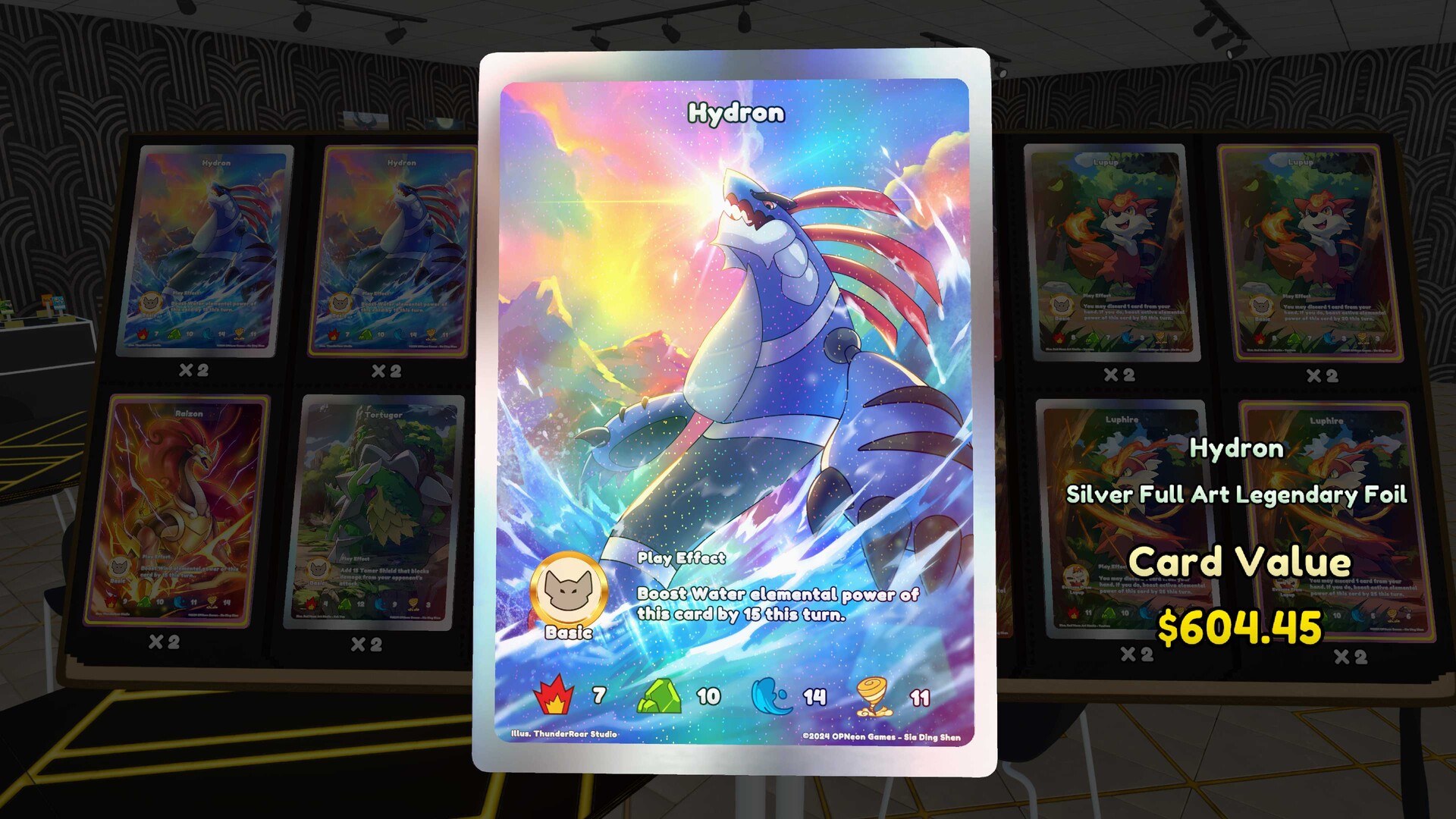
Check the single's current market price, whether it fills a collection gap and whether you need it for a deck. Include potential grading expense before choosing to grade and sell. Retaining a useful or missing card can fit your goals even when selling would provide immediate shop cash.
Make the decision against your current priority: keeping the business supplied, improving the shop or preserving your collection. Settle that priority before reacting to an impressive card value. This keeps a collectible decision from quietly replacing your operating plan.