Gameplay
TCG Card Shop Simulator Exp Sources: Gain Shop XP
Compare tcg card shop simulator exp sources, earn shop XP through daily business, and separate store levels from worker skills and collection progress.
Updated
- Guides
- 39
- Topics
- 3
- On this page
- 5
Activities that raise your shop level
Earn shop experience by completing customer checkouts, opening card packs, letting customers finish matches at Play Tables, and buying eligible items through the in-game ordering apps. These activities advance shop level, while employee task skills, collection progress and duel achievement progress serve separate goals.
What triggers XP from each activity
| Activity | Shop experience trigger |
|---|---|
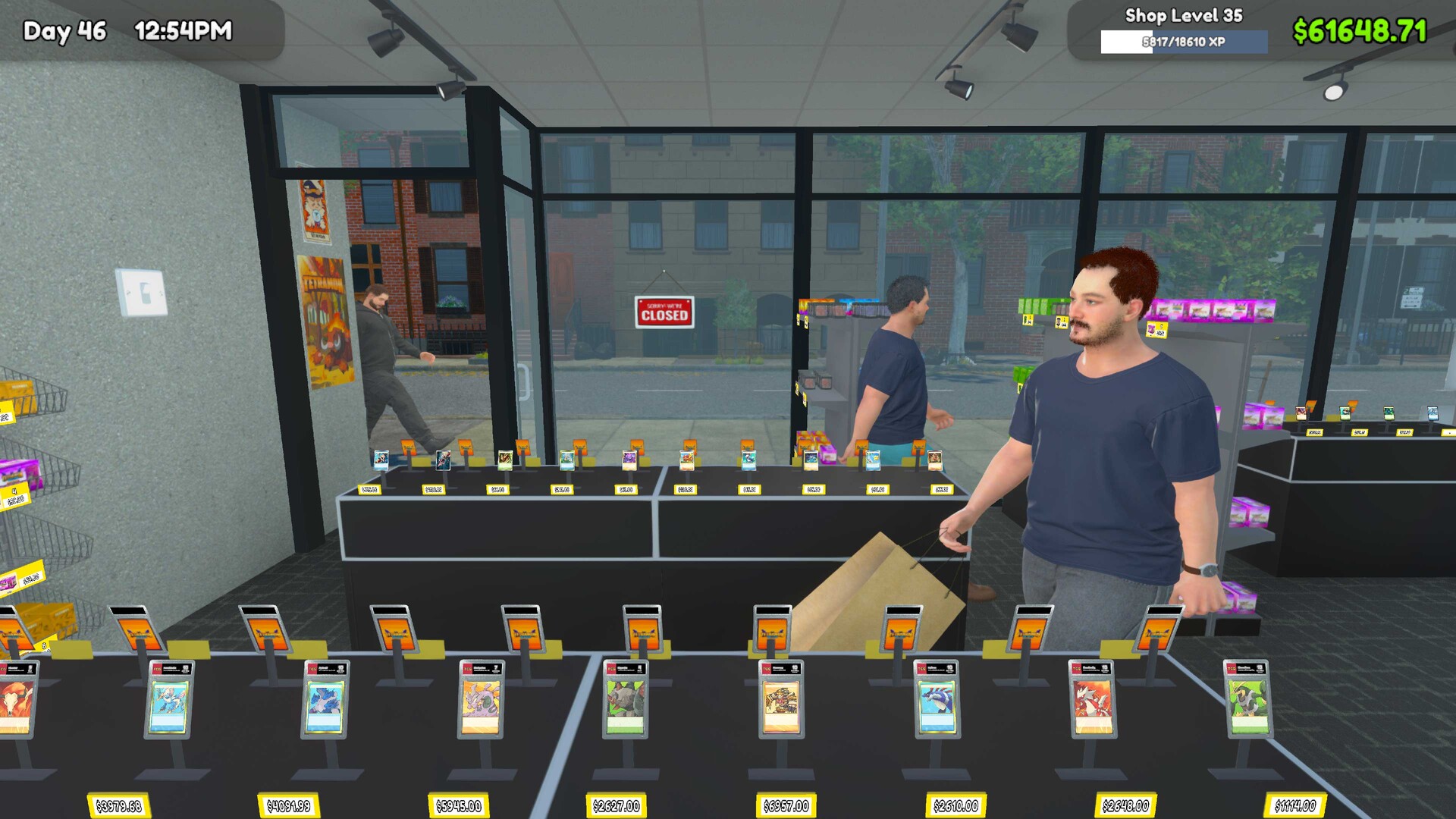
| Customer checkout | A completed checkout transaction awards XP, with the amount varying by the product sold. |
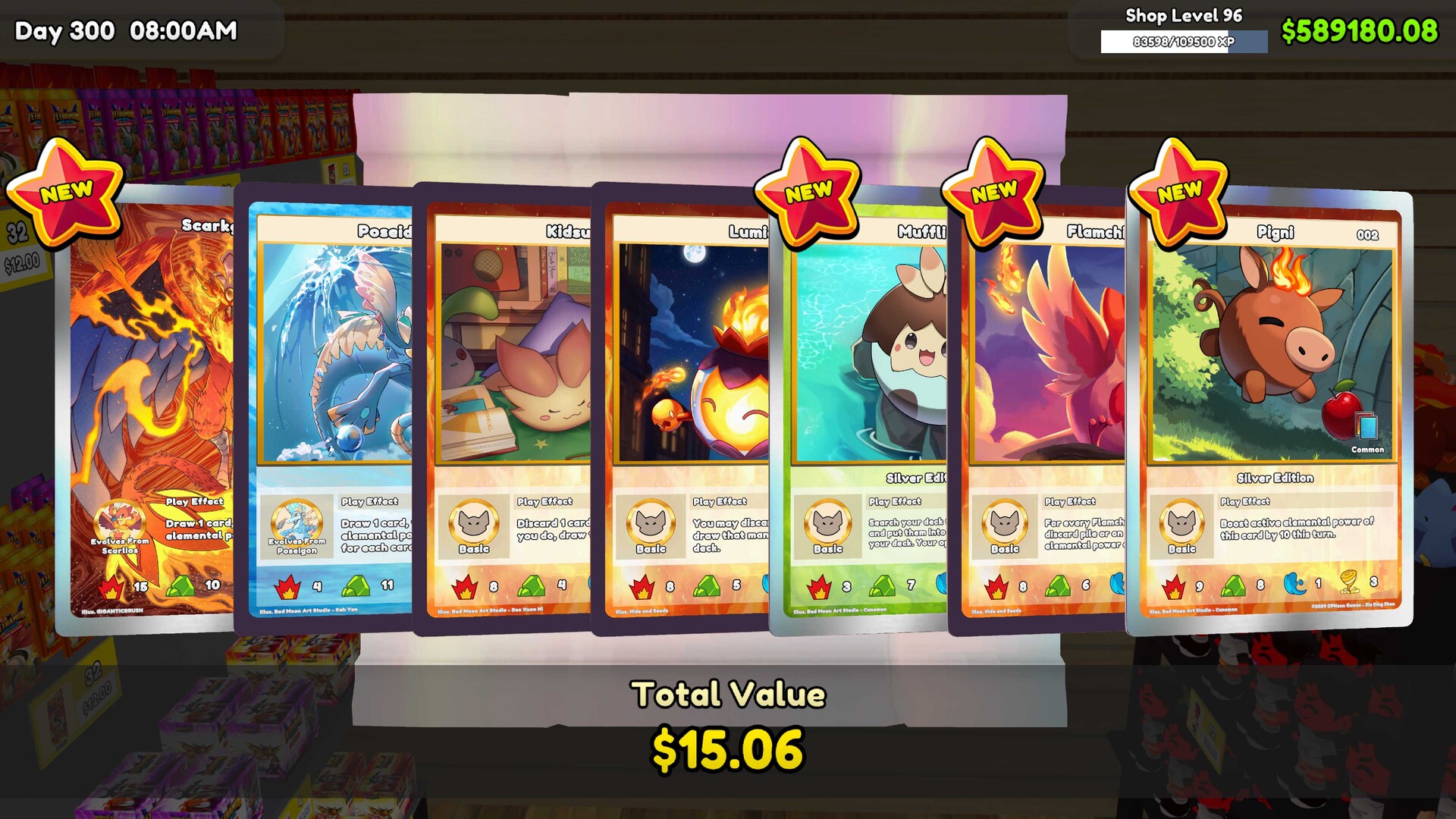
| Opening card packs | Opening packs awards XP tied to the cards obtained, rather than simply the pack's retail price. |
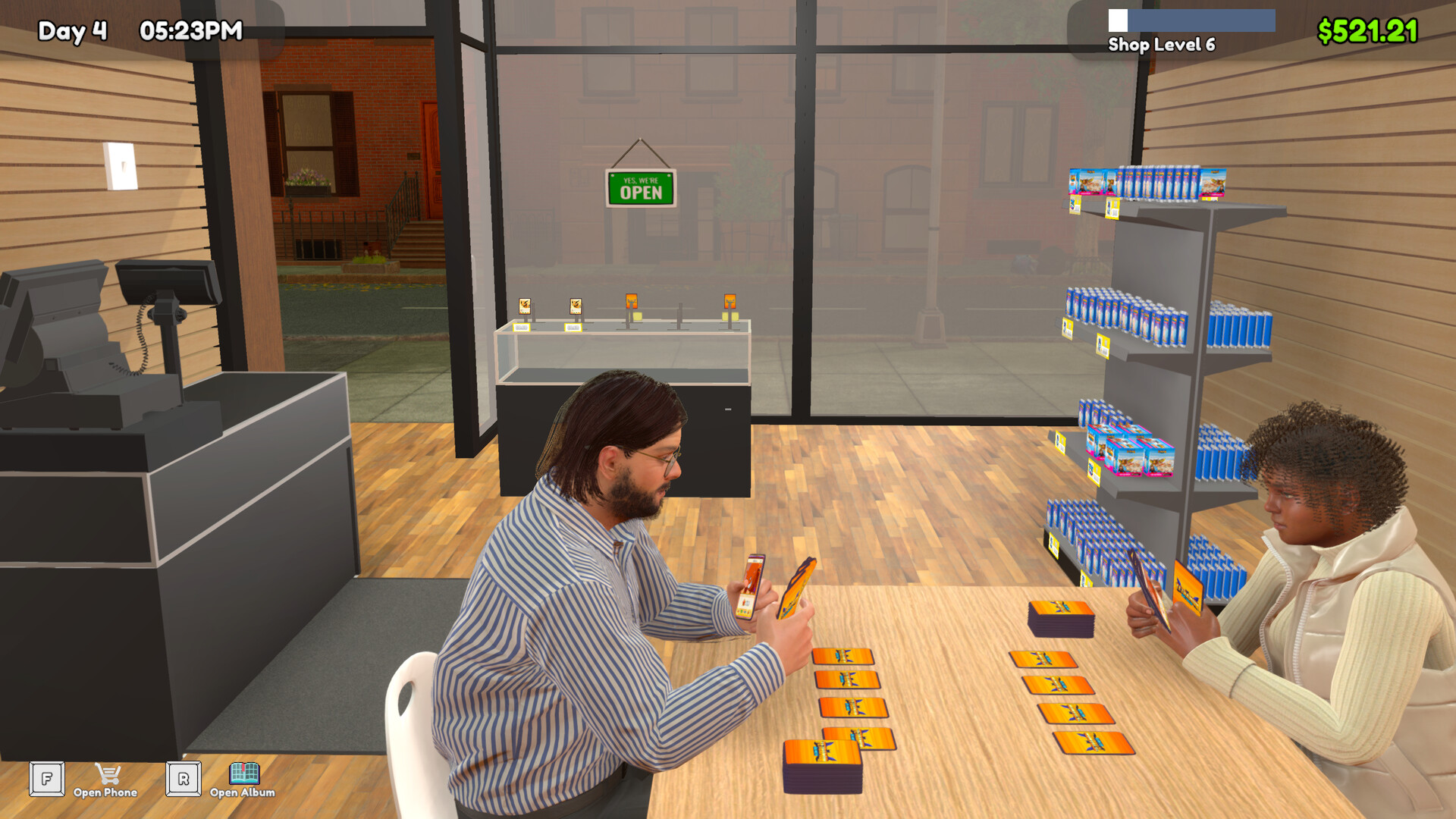
| Play Table matches | Customers finishing matches at Play Tables contribute shop XP. |
| Eligible ordering-app purchases | Purchases of eligible items through the in-game ordering apps contribute shop XP. |
For checkout XP, focus on completing sales rather than treating every product as an identical experience reward. For pack opening, a higher retail price alone does not establish a better XP return. Choose an activity around what your shop can sustain instead of assuming that the most expensive option must provide the best progression.
Build an XP routine your shop can afford
- Stock inexpensive, reliable products to support affordable sales while you work toward a higher shop level.
- Clear customer checkouts so completed transactions contribute shop XP alongside the ordinary business of selling products.
- Run Play Tables when their fees and customer traffic support them, allowing completed customer matches to contribute experience without ignoring operating costs.
- Fit eligible ordering-app purchases into your existing shop needs so the spending serves your business as well as shop progression.
- Reserve cash for replacement stock and bills before planning a pack-opening session, keeping essential shop spending ahead of an optional XP grind.
- Open only the packs you can afford to remove from sealed inventory, gaining pack-opening XP and collection progress within that budget.
Separate shop XP from worker and collection progress
| Progress system | What it advances |
|---|---|
| Shop experience | Raises the store's level and unlocks business features. |
| Employee task experience | Produces permanent skill improvements that increase speed for the particular worker and job. |
| Collection completion and collection points | Collection completion tracks owned card prints. The optional Collection Tracker mod has its own collection-point features. |
| Tetramon duel wins | Count separately toward the TCG Arcade achievement rather than substituting for shop-level XP. |
Match your activity to the progress you actually want. If you need business unlocks, pursue shop experience; if you want a more capable employee, let that worker gain experience in the relevant job. Opening packs can contribute to both shop XP and collection progress, but those remain different measures of progress.
Keep expensive unlocks behind a workable stock plan
An expensive license does not automatically turn into profitable experience gain. Its products still need to be supplied and sold, so consider the replacement-stock commitment before making the purchase. A license that stretches your cash too far can conflict with the affordable sales routine you are trying to maintain.
Treat pack opening as a spending choice with an experience benefit. Each pack you open uses sealed inventory that could otherwise remain available for retail, so decide how much you can spare before starting. When replacement stock or bills need that cash, favor the supported business activities that fit your current budget.